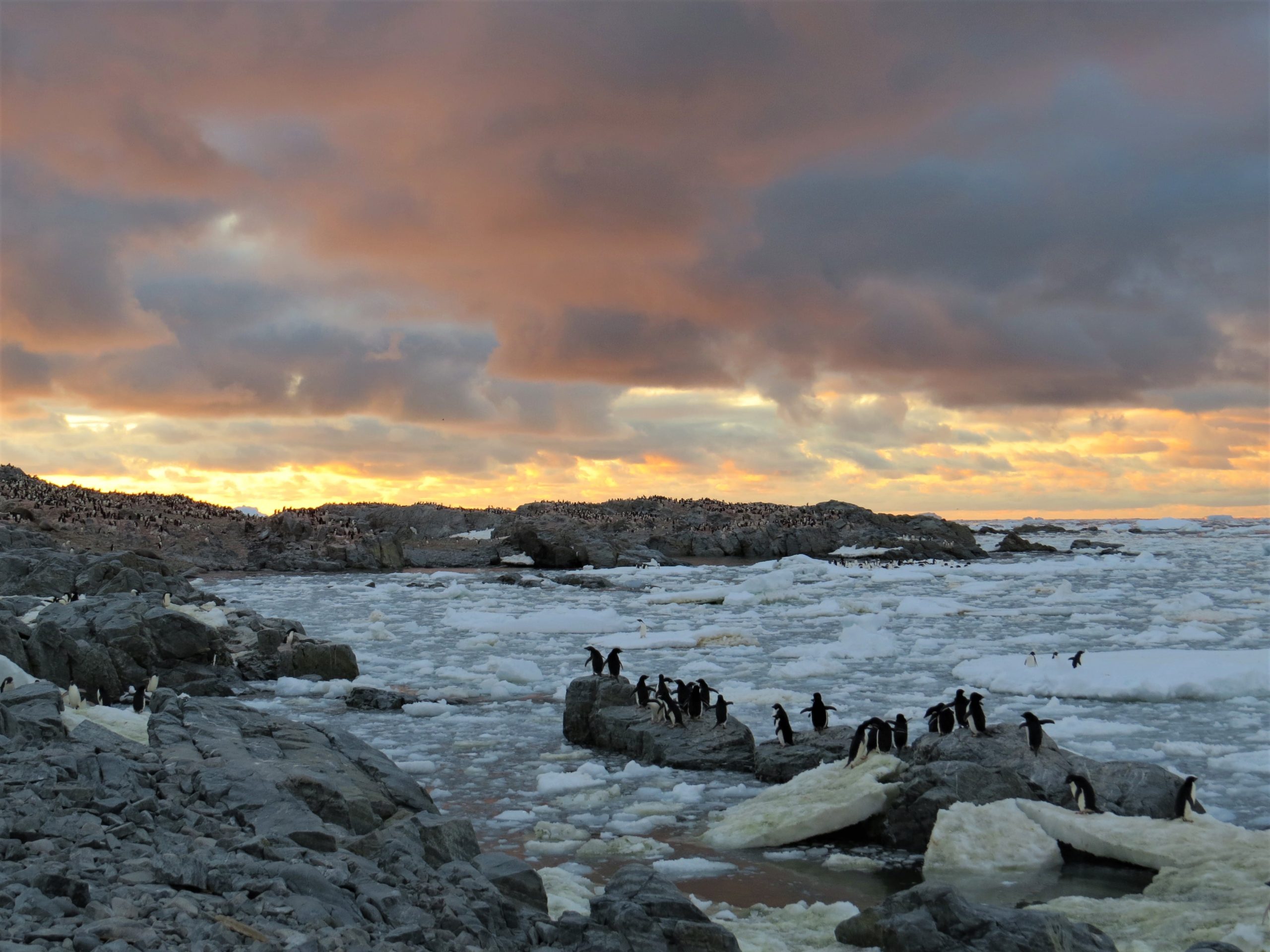
A National Science Foundation (NSF) research vessel based in Southcentral Alaska is headed for Antarctica to conduct research projects into an ancient mass extinction event, summer sea ice, and the ecology of the ocean bottom.
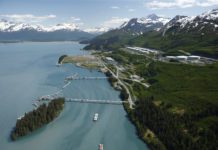
Researchers at the University of Alaska Fairbanks College of Fisheries and Ocean Sciences have operated the 261-foot Sikuliaq since 2014. Its name comes from the Inupiat word meaning “young ice.”
“We can work in Antarctica because the ship was designed to operate in polar waters,” said Doug Baird, director of the College of Fisheries and Ocean Sciences Seward Marine Center in Seward. It is the only vessel in the U.S. Academic Research Fleet rated to navigate ice up to 2.5 feet thick.
The Sikuliaq departed Dutch Harbor on Nov. 14 for a 10-day transit cruise to Honolulu, where it will mobilize for a three-week NSF-funded research project in the South Pacific to study influences on shifting levels of ocean heat.
Next, the Sikuliaq will travel south to French Polynesia and on to Punta Arenas, Chile, where staging will begin for a series of research projects to last through March 2026.
A coring project on Antarctica’s Seymour Island is to evaluate the effects of a mass extinction event during the Cretaceous Period, along with work in the Weddell Sea to study summer sea ice. The Cretaceous Period, some 145-66 million years ago, ended with extinction of non-avian dinosaurs.

The final cruise will evaluate the ecology of the ocean bottom off the west side of the Antarctic Peninsula.
UAF marine biology professor Katrin Iken is one of dozens of scientists who will be doing research on board the Sikuliaq in Antarctica. She will be part of the dive team collecting samples, just like she did before in Antarctica as a doctoral and postdoctoral researcher.
“Aside from being an exciting project, it’s going to be a fun opportunity for me to, in a way, go back to my roots,” Iken said.