State officials are reminding Bristol Bay sockeye salmon harvesters that district lines and open/closed fishing periods in all districts will be enforcement priorities of state wildlife troopers in 2026.
The forecast is for a strong run of some 44 million red salmon. The season opens by regulation on June 1.
The Bristol Bay 2026 commercial salmon fishing outlook posted on March 23 by the Alaska Department of Fish and Game (ADF&G) said troopers have observed an increase in improper identification markings of vessels.
Vessel name requirements and vessel license plate requirements should be reviewed and will be strictly enforced, the agency said.
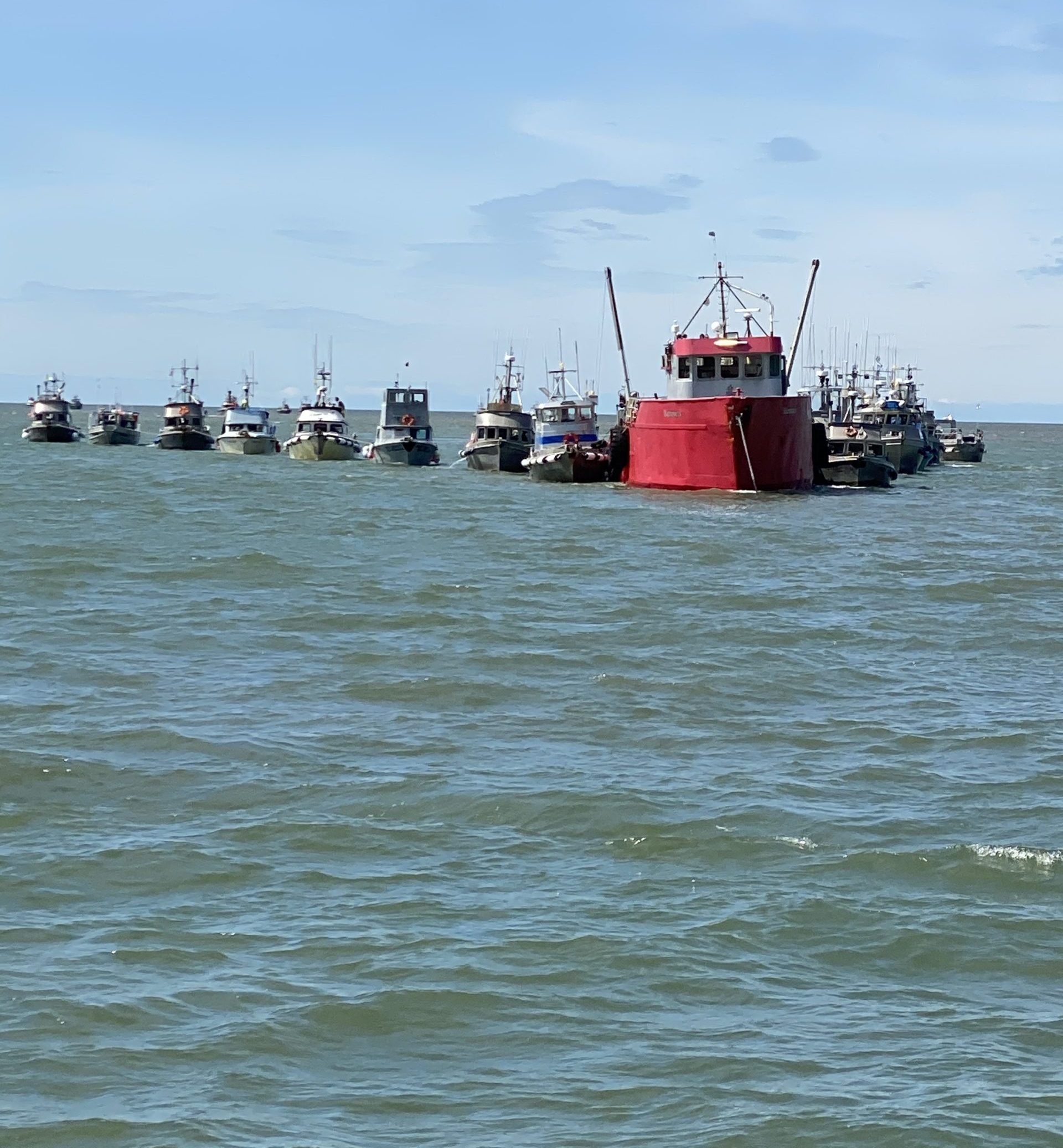
Troopers will conduct routine boardings of drift gillnet and processor vessels, as well as conducting beach patrols to verify licensing and permitting regulations are met, along with gillnet specifications and gear identification.
Permit holders in the Nushagak District are advised to review upcoming changes in state law, which prohibit Commercial Fishing Entry Commission permit holders from retaining commercially caught king salmon for homepack or personal use in the Nushagak District. All king salmon caught in the Nushagak District must now be retained and either enter the commercial market or be donated to a nonprofit food ban, charitable organization or tribal or village entity providing food distribution services in the Bristol Bay region.

ADF&G said tenders and fishermen can expect to be boarded and checked for undocumented king salmon on their vessels. However, all salmon, including kings and coho, are still required by regulation in all districts to be reported on fish tickets at the time of delivery even if not sold.
The Alaska Board of Fisheries meeting in January made several substantive changes to Bristol Bay regulations, including some about retaining and selling king salmon caught in the Nushagak District. Additionally, the board change triggers the Nushagak District King Salmon Stocks of Concern Management Plan that allows for the start of fishing in that district.
Those triggers increased from 6% to 8% for Nushagak River sockeye salmon and from 10% to 12% for Wood River sockeye salmon.