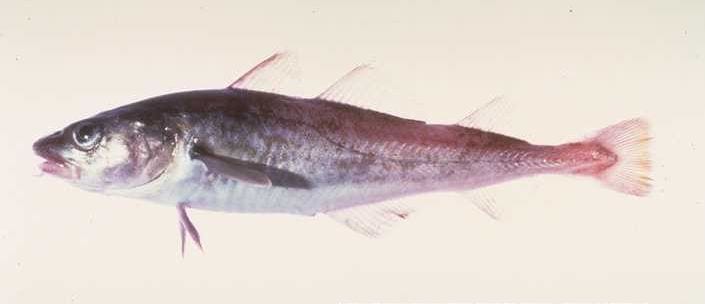
Federal fisheries managers have increased the total allowable catch limits for Pacific cod in the Gulf of Alaska for the remainder of the 2026 season, as well as for the 2027 season.
Pacific cod markets are remaining firm as Alaska begins a critical fall production period with harvest, according to a Sept. 7 report from the global logistics and compliance firm TradeX. The market is running at roughly 7% ahead year-over-year, the report noted, however a significant B-season of fishing still remains.
Russia’s total allowable catch, by contrast, has declined about 37% since 2021, as U.S. trade restrictions keep Russian-origin cod from providing replacement supply to American buyers. Russian cod harvested and/or processed in a third country is banned from import into the U.S.
Through Sept. 7, commercial harvesters in Alaska have caught approximately 117,677 metric tons, or 69% of their combined 171,032 metric ton allowable catch.
Additionally the groundfish B season, managed by federal fisheries managers, continues through the fall and into December, leaving significant opportunity for additional Alaska production by year’s end.
The global supply of Pacific cod remains constrained, Tradex said.

The Groundfish Forum, a fishery trade association representing five member companies that operate 19 trawl vessels, has forecast global Pacific cod production at some 316,000 metric tons this year, down from approximately 330,000 metric tons in 2025.
Alaska has potential to add meaningful production through the rest of 2026, but the broader global supply outlook remains relatively tight. TradeX said recent China market indications had put the value of Russian longline headed and gutted Pacific cod at around $9,000 per metric ton, compared to U.S. longline headed and gutted at $9,600 to $9,800 per metric ton.
Back in February, the North Pacific Fishery Management Council recommended revised 2026 and 2027 catch limits for Gulf of Alaska Pacific cod after reviewing an updated stock assessment that incorporated recent survey date and received recommendations from its Scientific and Statistical Committee.
That action boosted catch limits in the western and central Gulf of Alaska by 25-49%. Those specifications superseded council recommendations from its December 2025 meeting in Anchorage.
Now that The Cordova Times has transitioned to an online publication, we’re committed to delivering vital local news through our digital offerings. Subscribe to our free email newsletter here.