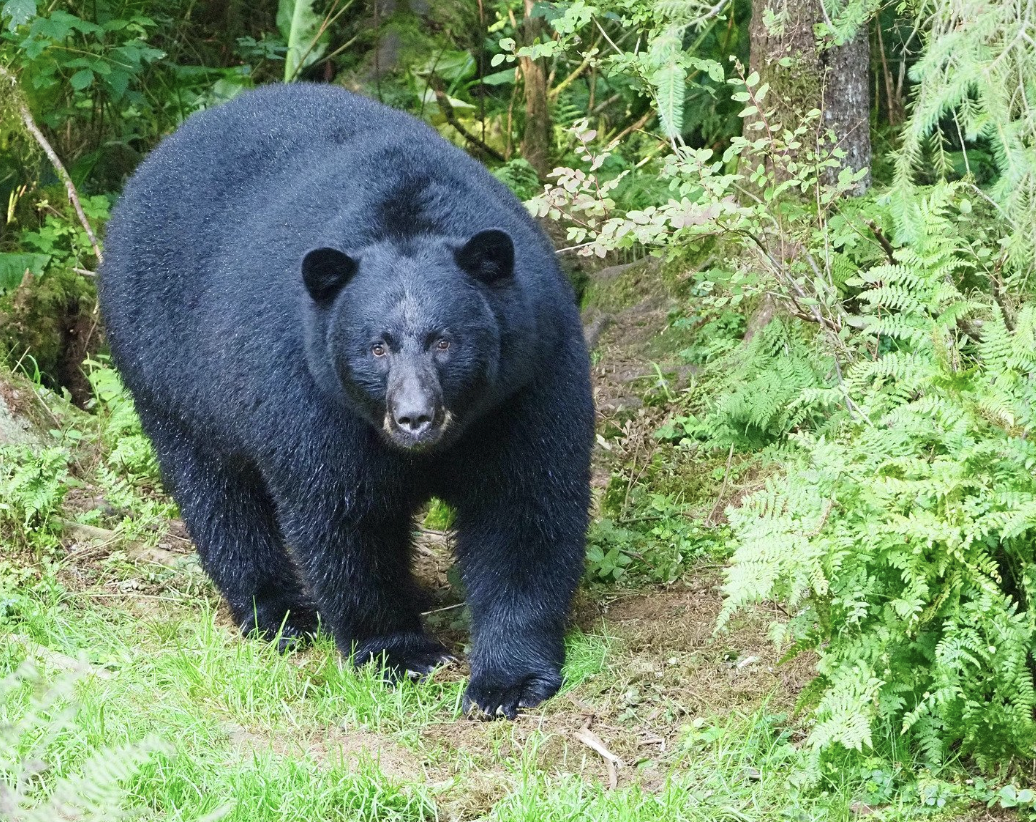
Litigation filed on April 6 in Alaska Superior Court in Anchorage would stop a state program to kill an unlimited number of brown and black bears in Southwest Alaska this summer.
The move for a preliminary injunction was filed by the Center for Biological Diversity and the Alaska Wildlife Alliance.
“The court has already ruled that this program is unlawful and that last summer the state carried it out ‘in bad faith,’” said Nicole Schmitt, executive director of the Alaska Wildlife Alliance. “In response, the state wrapped this unconstitutional program in the same tired packaging, with the same legal flaws. The facts remain that this program is not based on science, has no legitimate measures of success, and has cost the state more than $1 million in program and legal fees.”
The two environmental entities are asking the court to halt the Alaska Department of Fish and Game from targeting bears over an area of some 40,000 square miles of the Mulchatna Caribou Herd Predation Management Area while litigation challenging the legality of the program is pending. Without immediate court intervention the state could resume the program in May.
Cooper Freeman, Alaska director for the Center for Biological Diversity, said he wants to see the Mulchatna caribou herd grow and thrive, but that the ADF&G plan is an “unscientific and cruel way to deal with the herd’s current status.”
“Killing every bear in sight across southwest Alaska can’t be the way forward,” he said. “Alaska needs to stop wasting public resources and make wildlife management decisions firmly rooted in science and sustainability.”

“The state is once again primed to gun down bears from helicopters this spring even though it still has no idea how many bears live in the targeted area,” said Michelle Sinnott, staff attorney with Trustees for Alaska.
Operating under the 2022 Mulchatna bear control program, the department killed 175 brown bears and five black bears in 2023 and 2024. Alaska Wildlife Alliance challenged that original program, and in March 2025 the Anchorage Superior Court struck it down as unconstitutional, in part because the Alaska Board of Game had not relied on credible scientific evidence of bear populations.
The court ruled the Mulchatna predator control regulation was “unlawfully adopted and, therefore, void and without legal effect.”
Now that The Cordova Times is transitioning to an online publication, we’re committed more than ever to keep delivering vital local news through our digital offerings. Subscribe to our free email newsletter here.