
It was a Valentine’s Day message sans roses or chocolates, simply telling Jillian Celia “you’re fired.”
But Celia, a federal employee living in Anchorage and former Cordova resident, wasn’t alone.
News media reports, with the numbers not yet independently verified, indicated that more than 100 federal employees at the Tongass National Forest were fired just a day earlier.
For Celia – who had done an internship with the Chugach National Forest from 2012-2014 and a Copper River Delta project in connection for her master’s degree program from 2016-2017 – the dismissal was devastating.
“On a very personal level, I’m a single mom who mostly lives paycheck to paycheck,” Celia posted to Facebook on Valentine’s Day. “I took a pay cut to take this job and made the move for what I thought was increased stability and getting to conserve salmon habitat in a national forest that was super special to me. This is the reality of what’s happening. This is the heartbreak and devastation.”
She had been on the job in Anchorage for 11 months and one week, just three weeks shy of the end of her probationary period. The probationary period for federal employees, which generally lasts one to two years, is usually reserved for new hires or newly promoted employees to closely monitor their job performance.

“My reviews were stellar and just last week, my supervisor told me I was doing a fantastic job and he already certified that he wanted to keep me on past my probationary period,” Celia wrote on Facebook.
Then came the termination letter, with her name misspelled.
“I was informed I did not demonstrate my continued employment would be in the public interest and I was being terminated effective immediately. Me, along with 330,000 probationary federal employees nationwide,” she said.
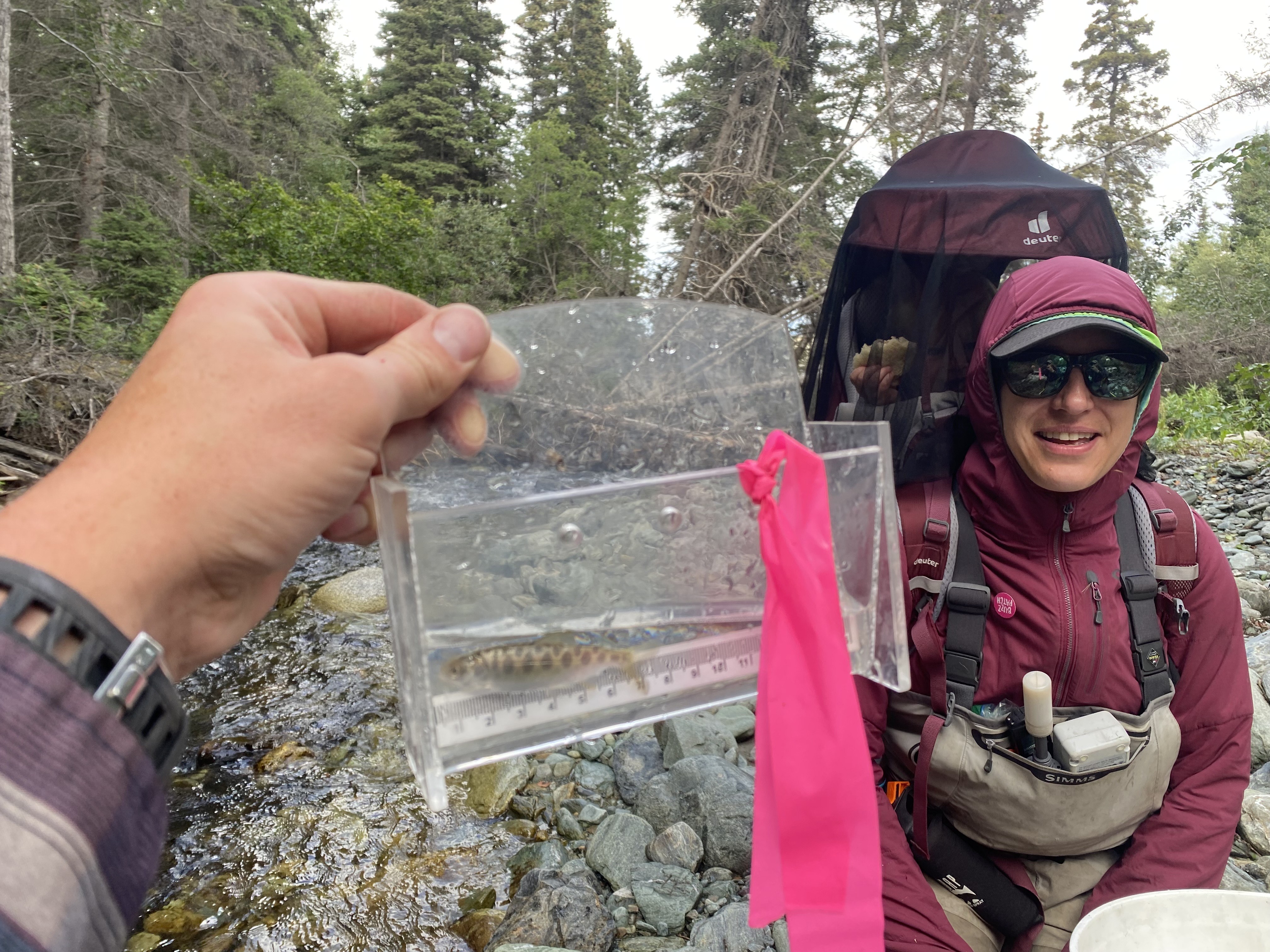
In her internship in Cordova, with the Chugach National Forest wildlife team, Celia has spent a lot of time on the Copper River Delta working with Dusky Canada geese and a variety of other projects.
While pursuing a master’s degree of science in wildlife ecology at the University of Alaska Anchorage, she worked in the Copper River Delta with partners from the Cordova Ranger District of the U.S. Forest Service, she said.
Her latest job, which ended on Feb. 14, was as a fisheries biologist focused on prioritizing road/stream crossings, called culverts, for replacement. Bad culverts are well known for blocking salmon passage to upstream habitat.
“I was developing our program direction for aquatic invasive species monitoring and response,” Celia said. “I was also a leader of the response team to eradicate an aquatic invasive plant from a lake in the Kenai River watershed. This plant is highly detrimental to salmon and salmon habitat. The Kenai River is a world class (and world renowned) fishery.”
Now Celia is concerned that much of what she worked on over the past year will be shelved, with nobody left to do the job. She has 30 days to appeal the firing with the government’s Merit Systems Protection Board – with help from the American Federation of Federal Employees union, which represents thousands of federal workers nationwide.
“Nobody in local (federal government) offices had any idea of what was going on,” she said. “A number of us guess it might happen but beyond that there was no legitimate reason for me and my coworkers to have been terminated.”
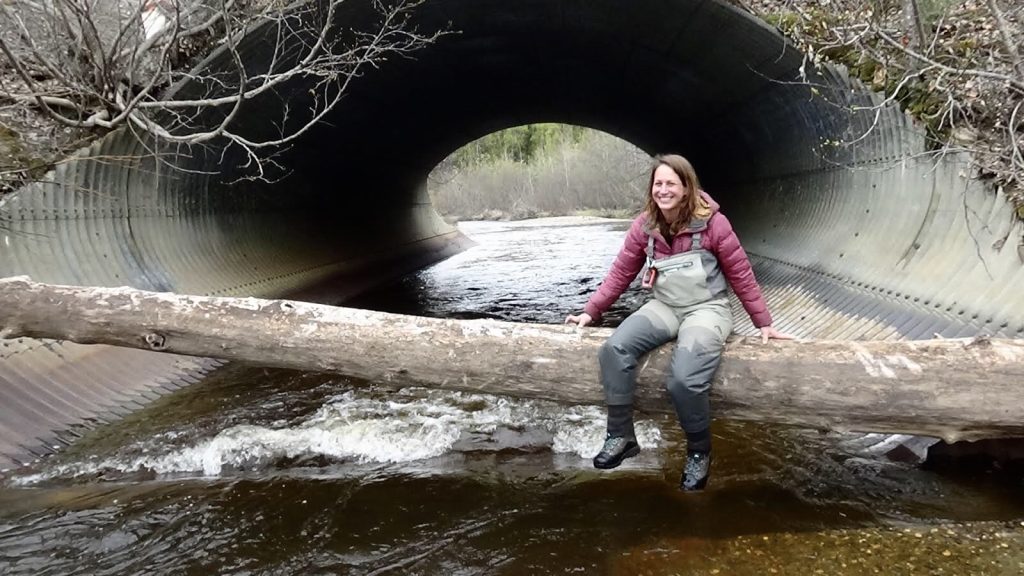
Celia, who was on annual leave, had never before been fired from a job. Having the support of her family was a blessing, she said.
The letter she received, the same one hundreds of thousands of other federal employees got, said she was terminated for performance reasons.
“We have extensive proof that this is not the case,” she said. “We have been high performing employees of the federal government. It is a blatant lie, unjustified and illegal firings of all probationary employees. My coworkers were really good people.”
Blanket firing to lower the number of federal employees is not the right solution to the problem, Celia said. The firings came with no severance pay and were immediately effective.
“I didn’t even get to reach out to partners I had worked with or wrap things up,” she said
Sen. Lisa Murkowski, R-Alaska, issued a statement on Valentine’s Day, saying that “many of these abrupt terminations will do more harm than good, stunting opportunities in Alaska and leaving holes in our communities.”
“We can’t realize our potential for responsible energy and mineral development if we can’t permit projects,” Murkowski said. “We will be less prepared to manage summer wildfires if we can’t support those on the front lines. Our tourism economy will be damaged if we don’t maintain our world-class national parks and forests.”
While she shares President Donald Trump’s goal of reducing the size of federal government, this approach is bringing confusion, anxiety and now trauma to civil servants – some of whom packed up their whole lives to move to Alaska, she said.
“Indiscriminate workforce cuts aren’t efficient and won’t fix the federal budget, but they will hurt good people who have answered the call to public service to do important work for our nation,” Murkowski said.
While she is trying to communicate with federal agency and department officials about these firings, so far the response has been evasive and inadequate, she said.
As of Feb. 17, neither Sen. Dan Sullivan, R-Alaska, and Rep. Nick Begich Jr., R-Alaska, had posted any comments regarding the firing of thousands of federal employees.
According to Reuters, 10,000 federal employees fired nationwide on Feb. 14 may be among the more than 200,000 workers not eligible for civil service protections because they had been on the job less than two years.
In a report to legislators in early February, David Traver – chief steward for the American Federation of Government Employees, which represents people employed by the state Department of Veterans Affairs – some 1,200 Alaskans working for the federal government have been employed at their current job for less than a year.






